Our Approach
Our Approach to Protecting Shetland’s Living Knitting Heritage
Knitting in Shetland is more than a hobby or a profession. Fair Isle, Shetland Lace (Openwark), and domestic machine knitting are living heritage crafts that influence and form a part of Shetland’s culture.
This does not mean that these crafts have frozen in time. On the contrary, because they are crafts that have evolved over time, the skills and techniques continue to become richer as styles, applications, tools and materials change. We celebrate the changes and modifications that have happened through the years, and we look forward to seeing how Shetland’s living practitioners continue to develop the crafts into the future.
We also do not believe that Fair Isle, Openwark or domestic machine knitting only belongs to Shetland. Shetland’s knitting traditions have influenced and been influenced by other knitting traditions from the start. Those outside of Shetland have modified these crafts in their own ways, and in some cases, their modifications have resulted in living heritage craft traditions in other areas of the world.
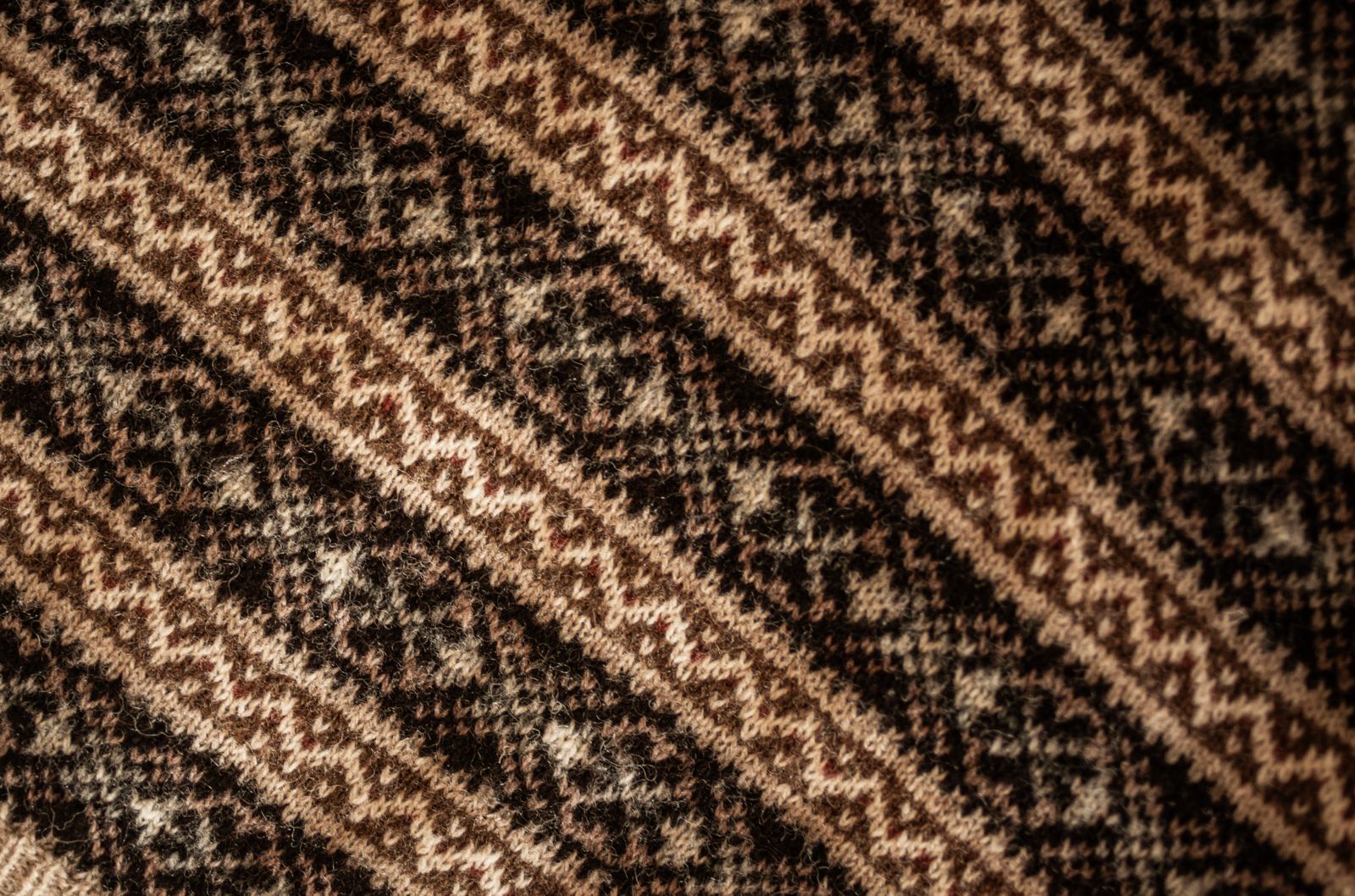
Fair Isle Knitting
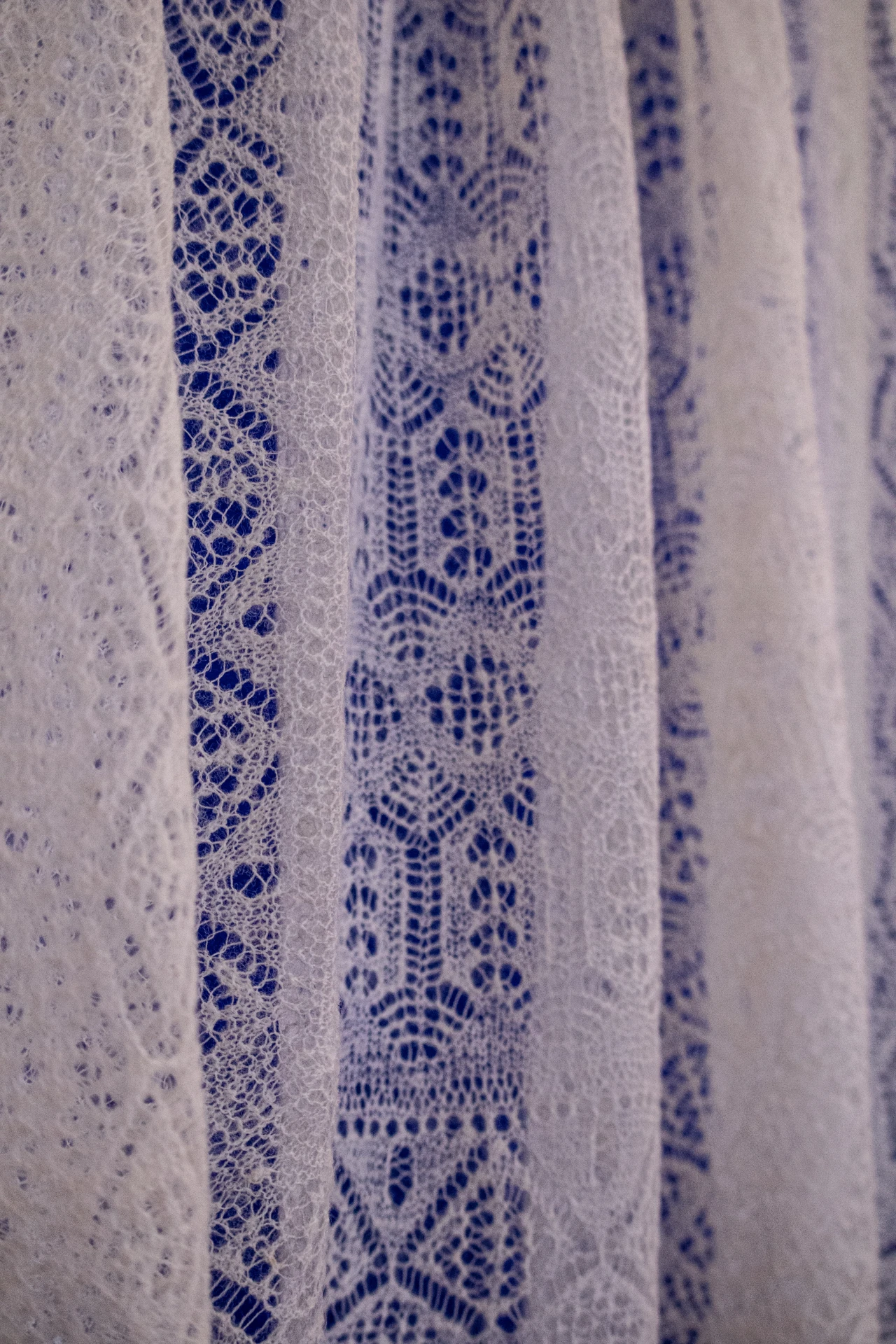
Shetland Lace (Openwark)
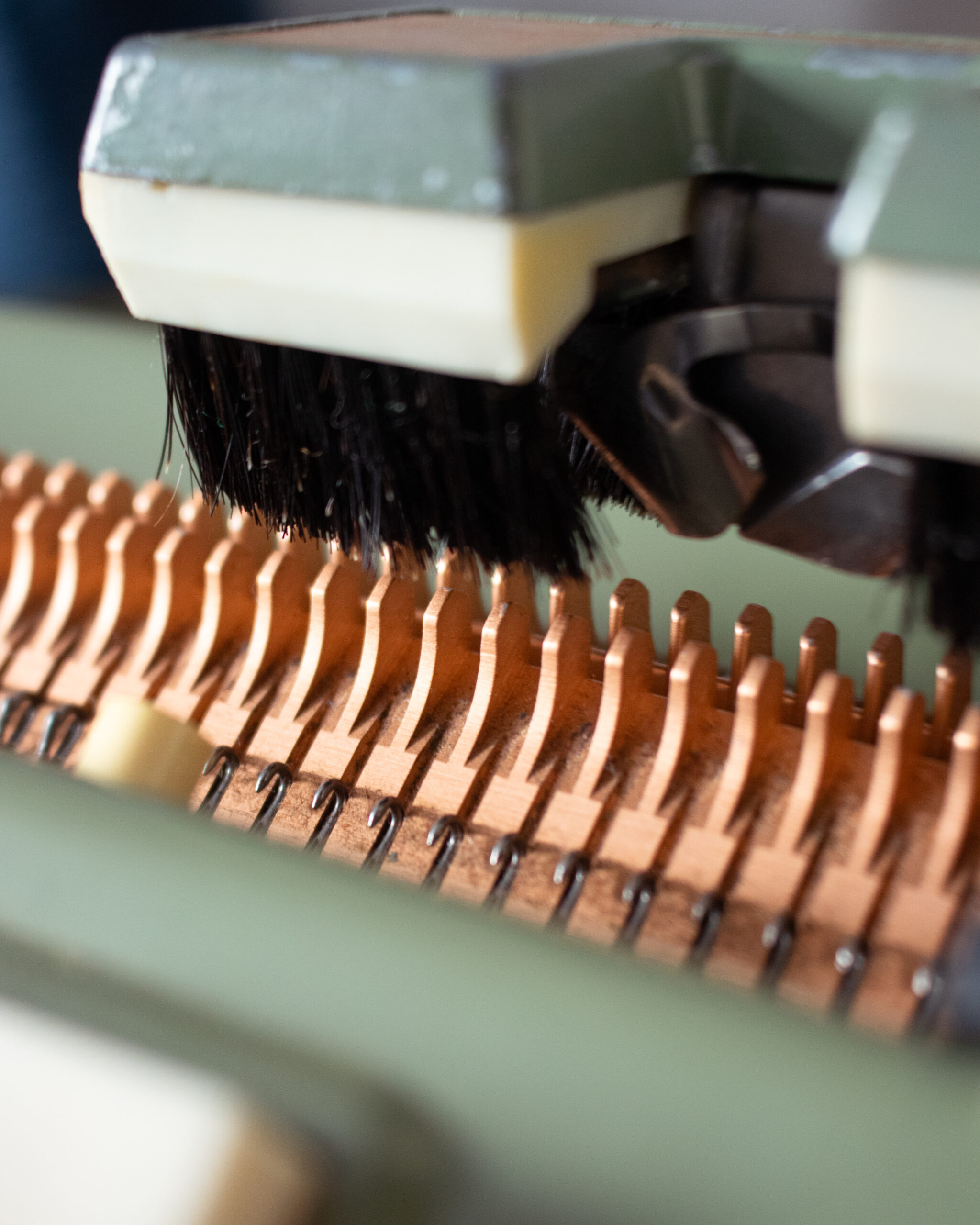
Domestic Machine Knitting
However, there are aspects of Shetland knitting that are unique to Shetland. It is important that information about these crafts is presented accurately to ensure that the area’s living knitting skills continue to be understood within the context of the area and people who created them. Presenting information inaccurately, presenting outsider’s modifications as part of the tradition to benefit from the reputation of the area and crafts, positioning oneself as an expert after reading books written by outside authors, and failing to credit the area or the experts from the area are all ways that a living heritage craft can be genericised or lost. This process has already been happening for several decades. With the rise of social media, the process is accelerating. However, we also believe that social media can be one of the tools we use as an organisation to counteract the trend.
SOK believes in the power of providing clear information and empowering local knowledge holders to present their own heritage skills on the local and international stage.