
About the Traditions
The influence of knitting can be felt in many aspects of Shetland life including:
- our music, poetry, and storytelling
- a trove of cultural memories
- the clothes worn
- the animals kept on the croft
- how individuals take initiative and provide for their families
SOK works to make sure these traditions remain active, valued, and shared.
We do this by:
- Supporting the people who hold the knowledge
- Creating opportunities for skills to be shared
- Helping more people understand Shetland’s knitting heritage along with its important local context
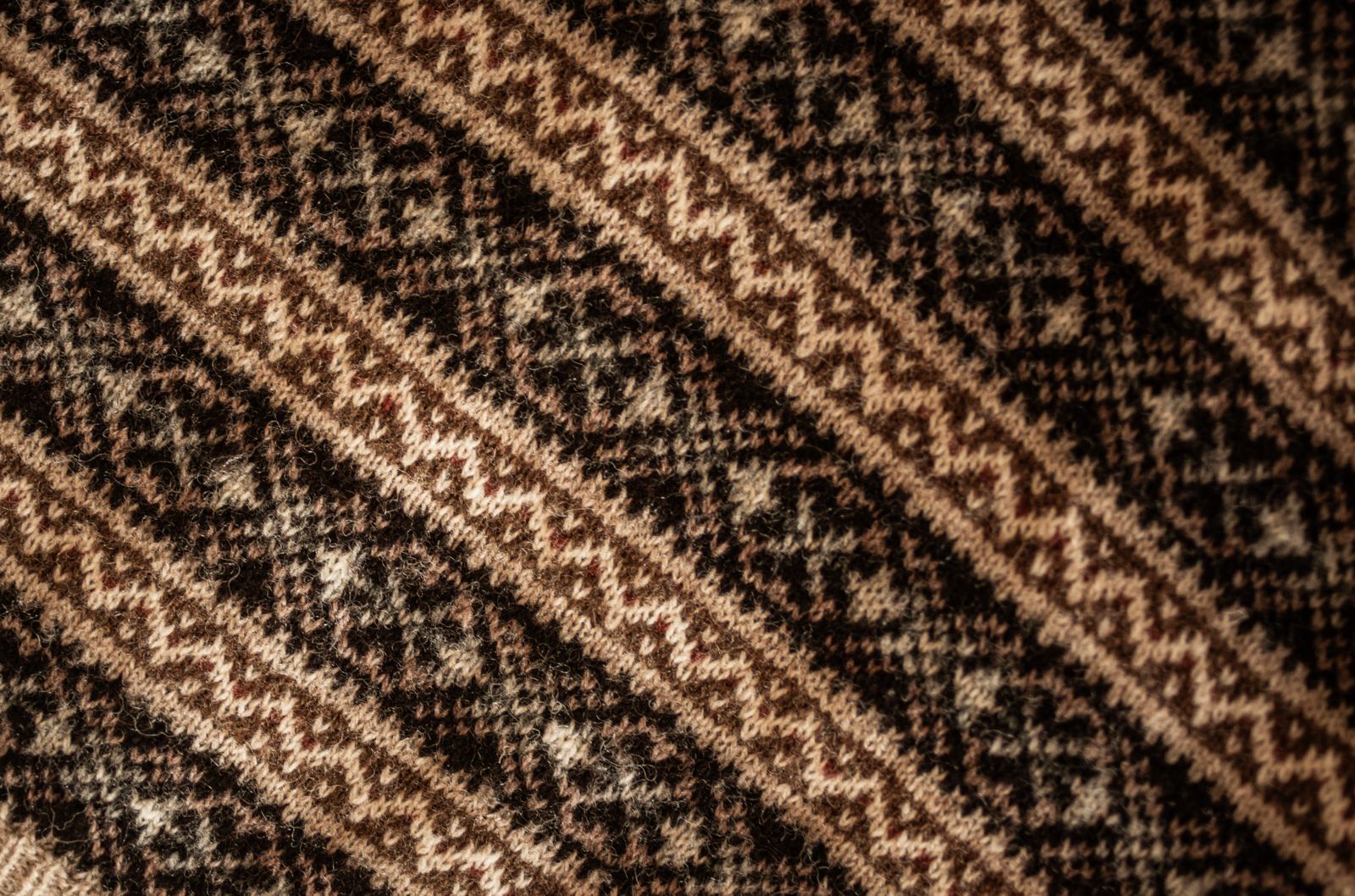
Fair Isle Knitting
A Shetland knitting tradition featuring symmetrical geometric patterns, carefully balanced colours and subtle shading. Each patterned row uses two colours, while practical construction methods reduce finishing work.
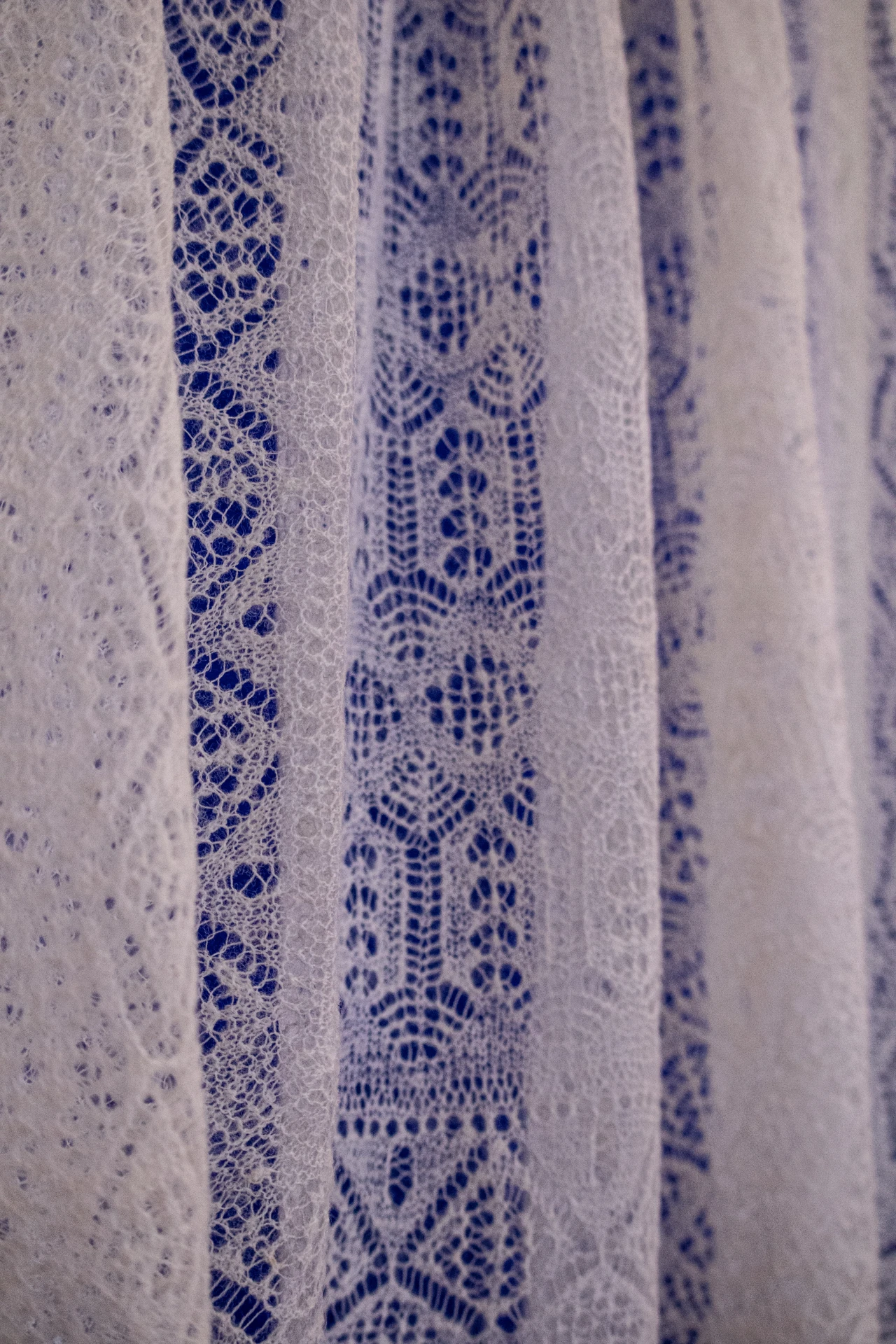
Shetland Lace (Openwark)
A Shetland knitting tradition featuring symmetrical lace patterns worked in every, or every other row of knitting, typically on a garter-stitch base. Its construction requires little finishing and allows each piece to be stretched evenly to reveal the design.
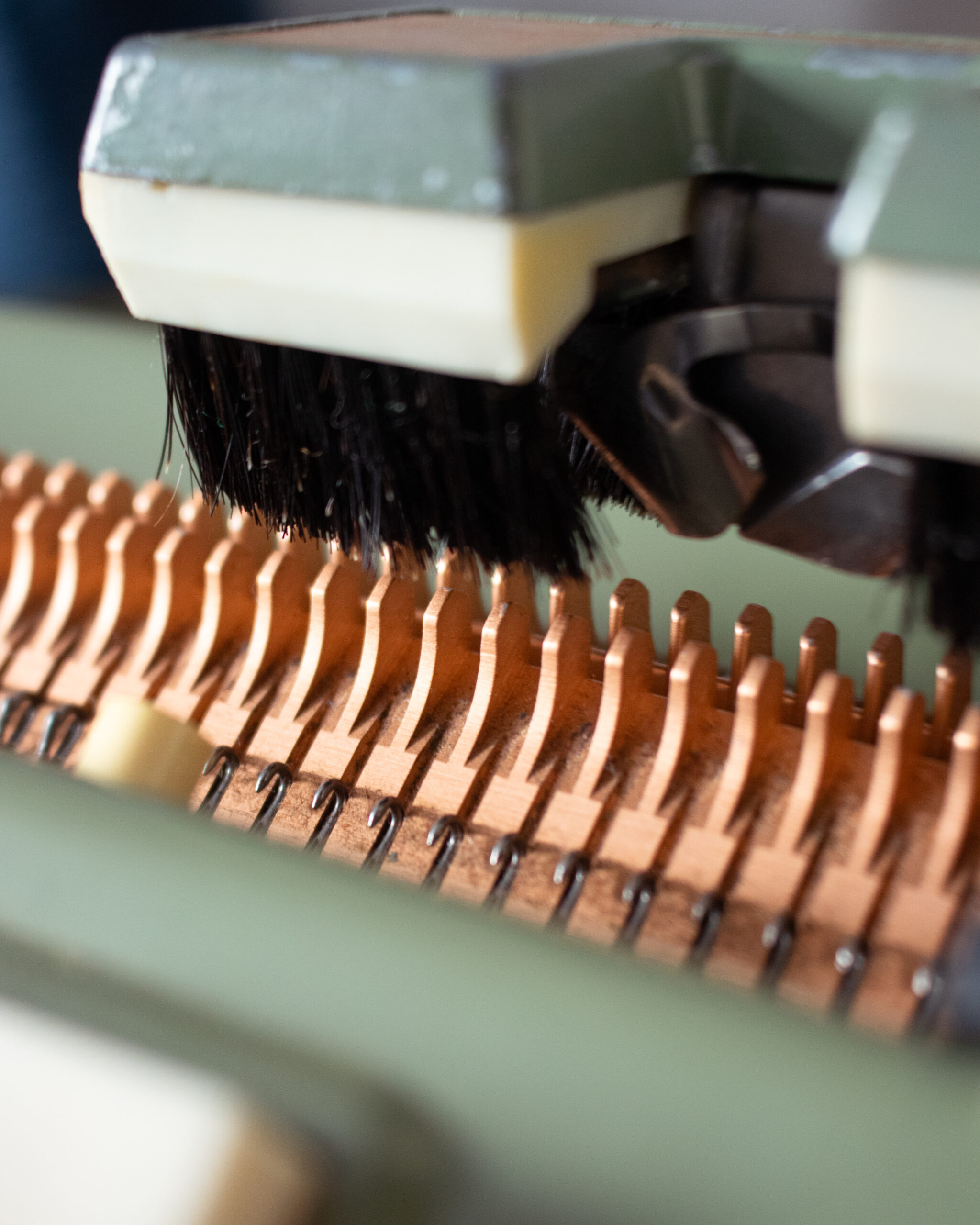
Domestic Machine Knitting
A Shetland knitting tradition using manual domestic knitting machines to increase production of traditional Shetland knitwear, creating pieces as close to the hand knitted styles as possible without compromising on quality.
Resources
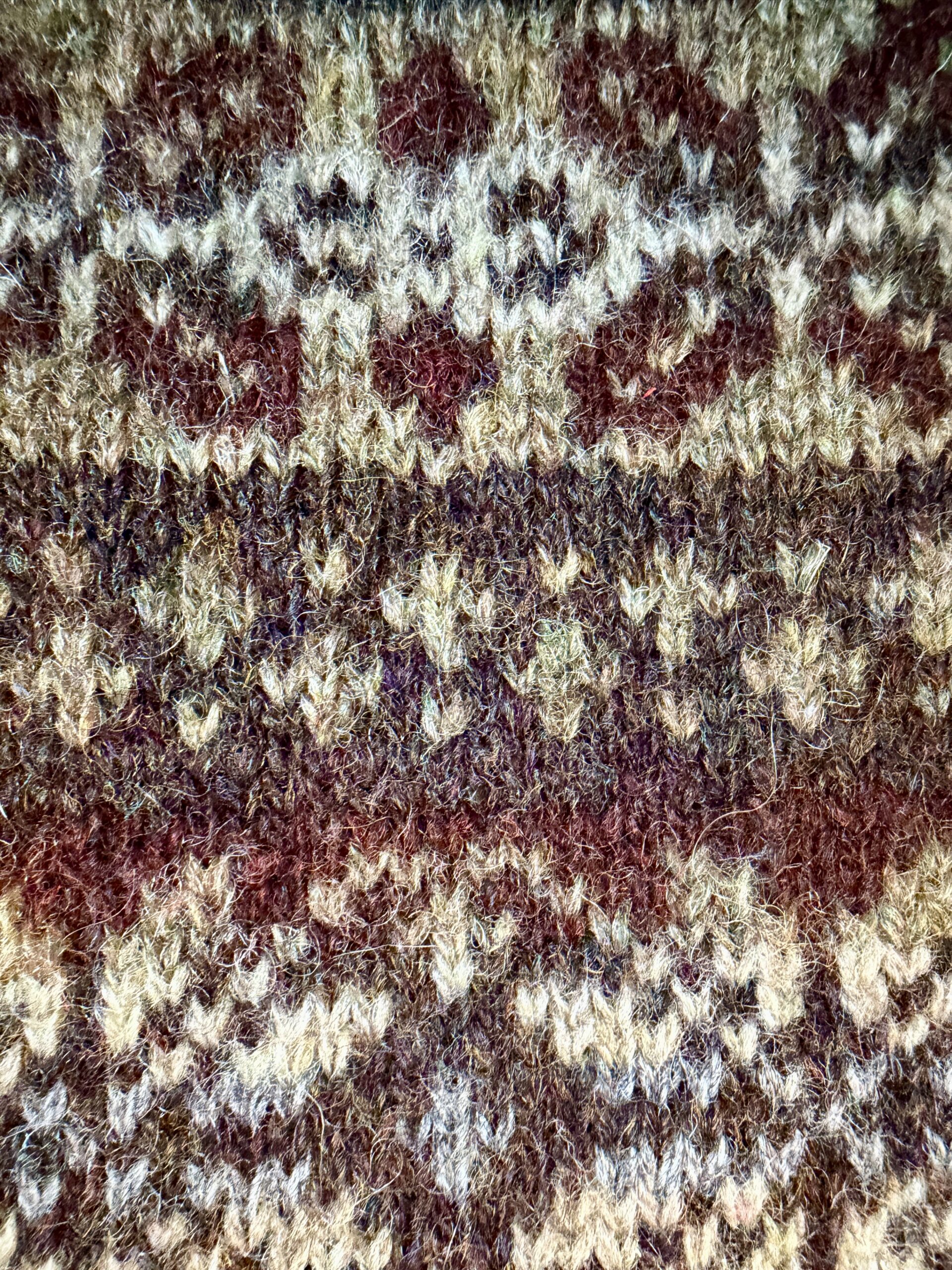
What We Mean by Living Knitting Heritage
A phrase you will see often in our communications is ‘living knitting heritage’. This is a…

Why Domestic Machine Knitting Is Part of Shetland’s Knitting Heritage
Some people are surprised to learn that SOK: Shetland’s Organisation for Knitters includes…
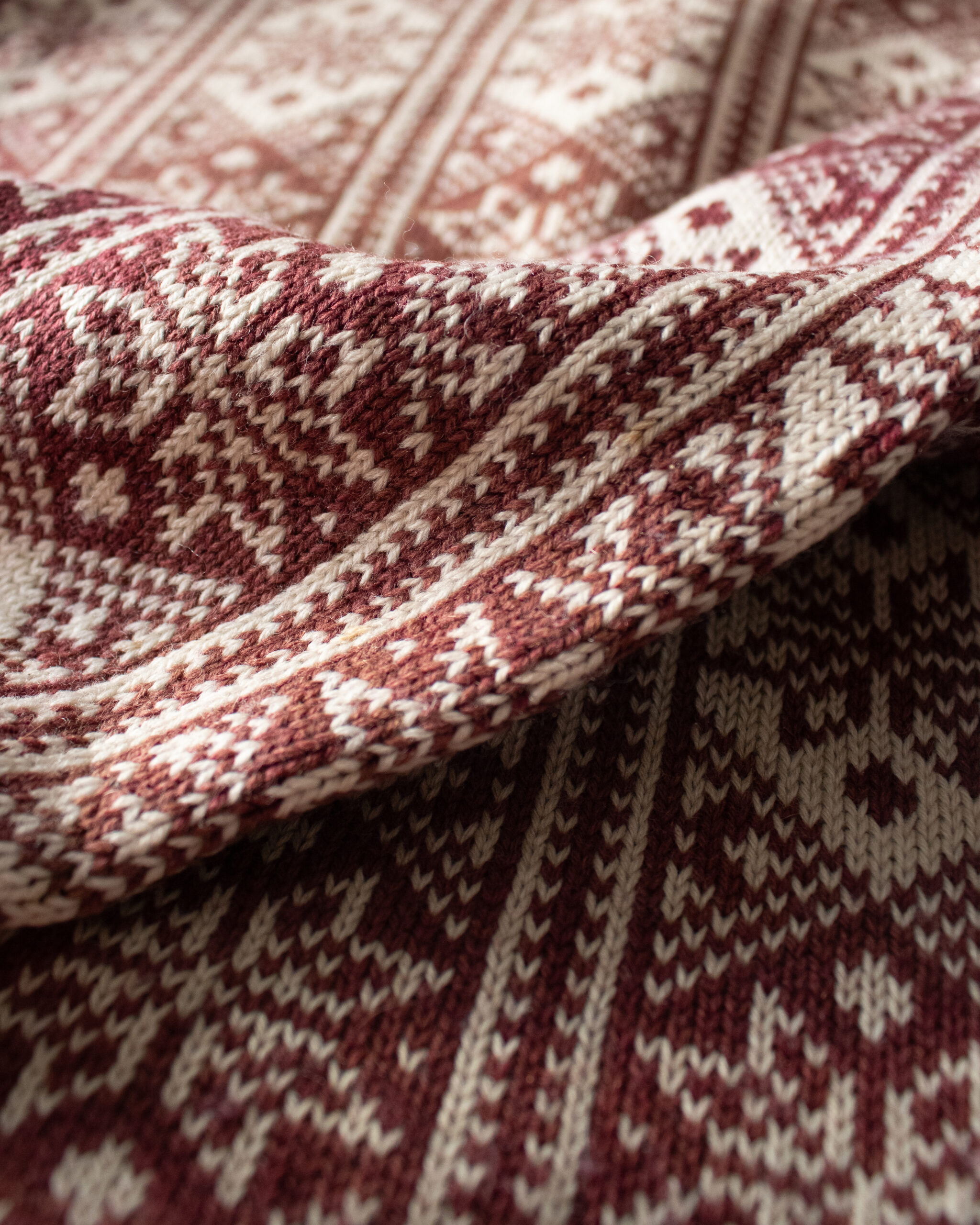
What makes Fair Isle knitting different from stranded colour work?
Fair Isle is one of the best-known colourwork traditions in the world. Its patterns are beautiful,…
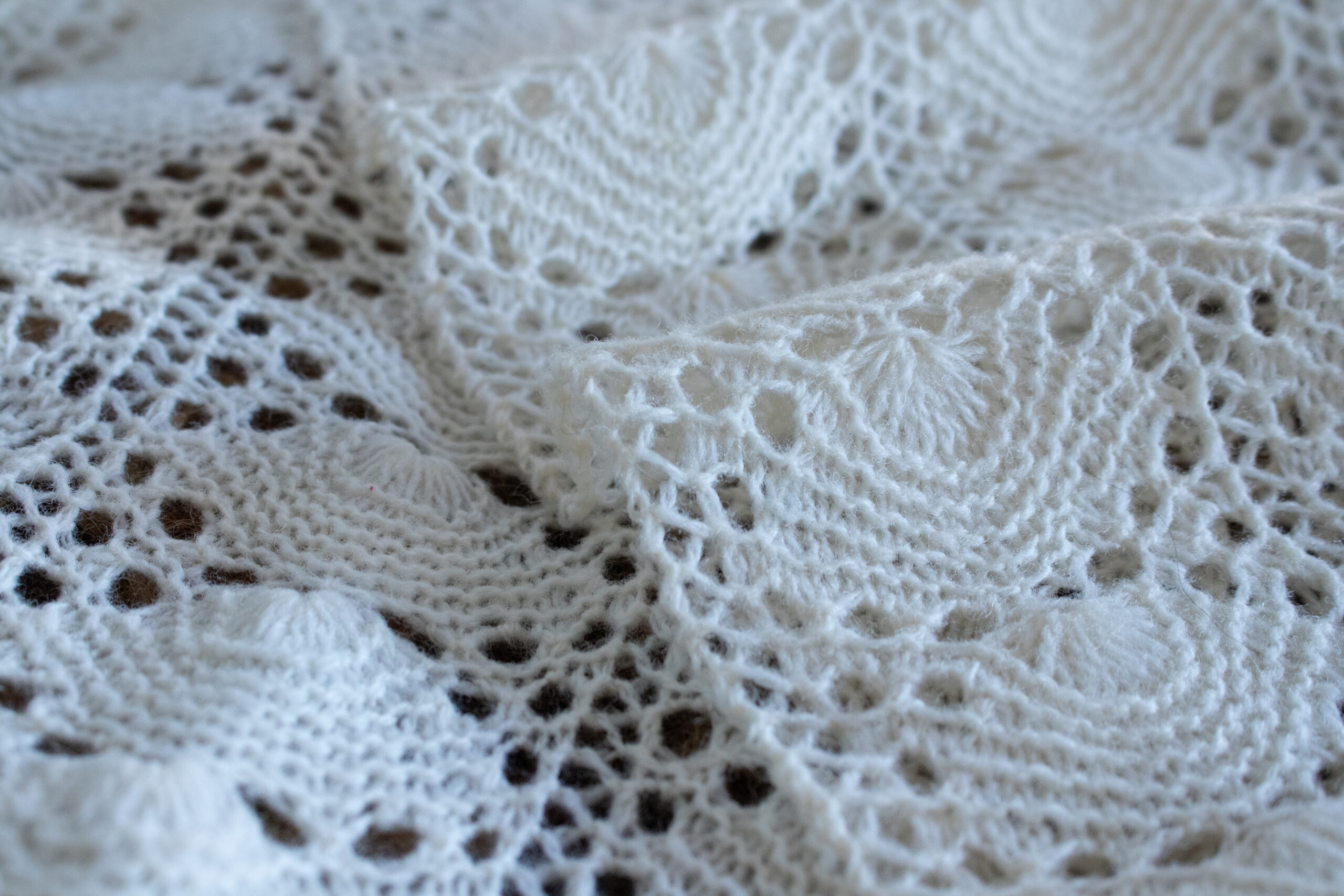
Understanding Shetland Lace among fine lace traditions
Shetland lace is one heritage knitting tradition within the wider world of fine lace knitting. Learn more about how Shetland lace is identified, why fine lace shawls are sometimes misidentified, and why naming lace traditions properly helps protect the stories behind them.